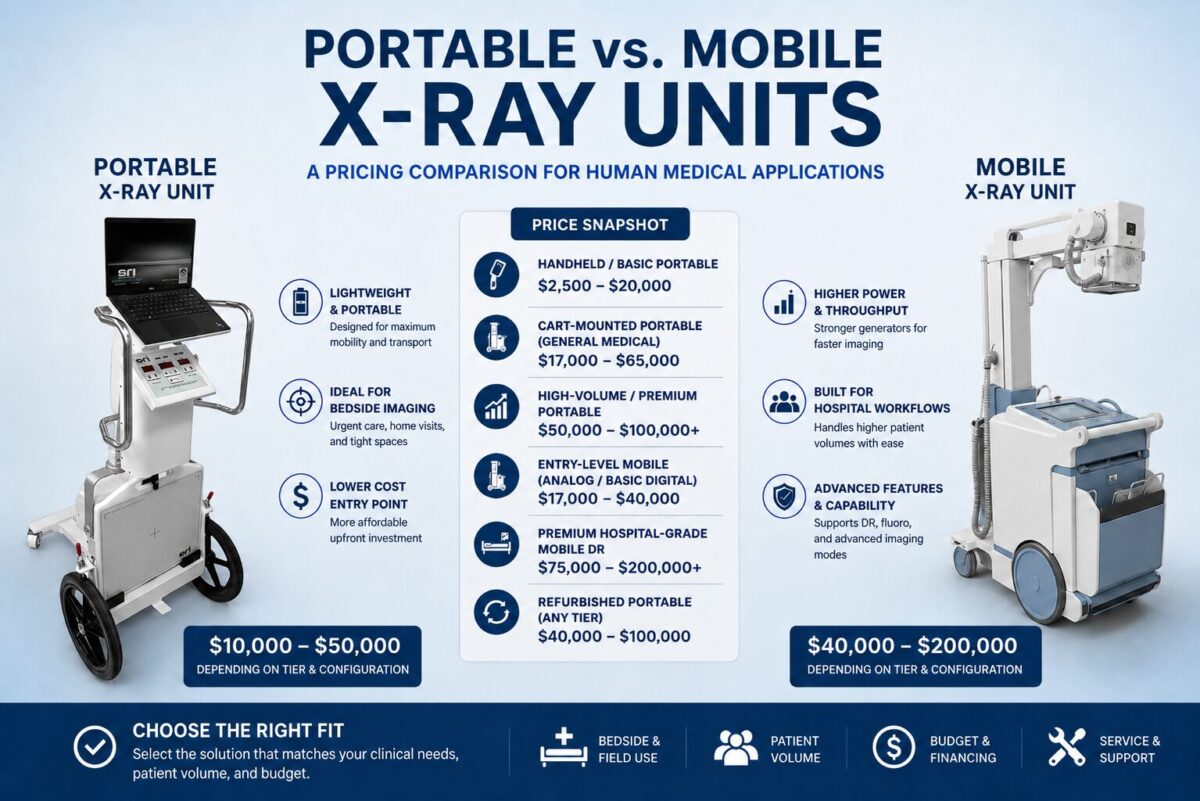
Portable vs. Mobile X-Ray Units: A Pricing Comparison for Human Medical Applications
Choosing between a portable and a mobile X-ray system often comes down to one question: what does each option actually cost, and what does that money buy? The terms “portable” and “mobile” are frequently used interchangeably in the imaging market, but they describe different equipment classes with meaningfully different price structures. This guide breaks down current pricing for both categories so buyers can compare on an apples-to-apples basis.
Portable vs. Mobile: What’s the Actual Difference?
Before comparing prices, it helps to separate the two categories clearly:
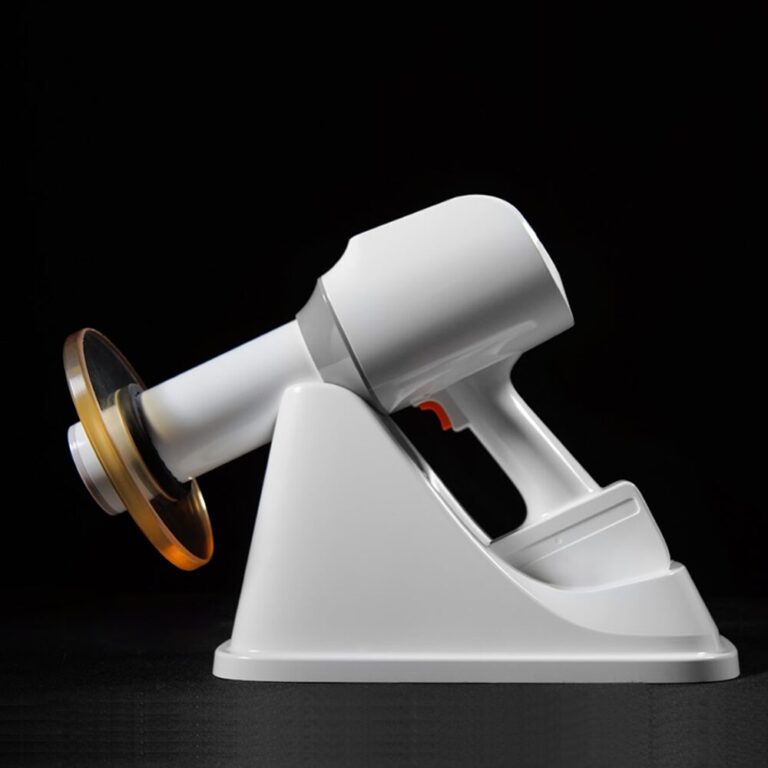
- Portable X-ray units are lightweight, often battery-powered systems designed for maximum mobility — some are handheld or fit in a small case. They prioritize ease of transport over raw output power, and are commonly used for bedside imaging, house calls, urgent care, and field or remote settings.
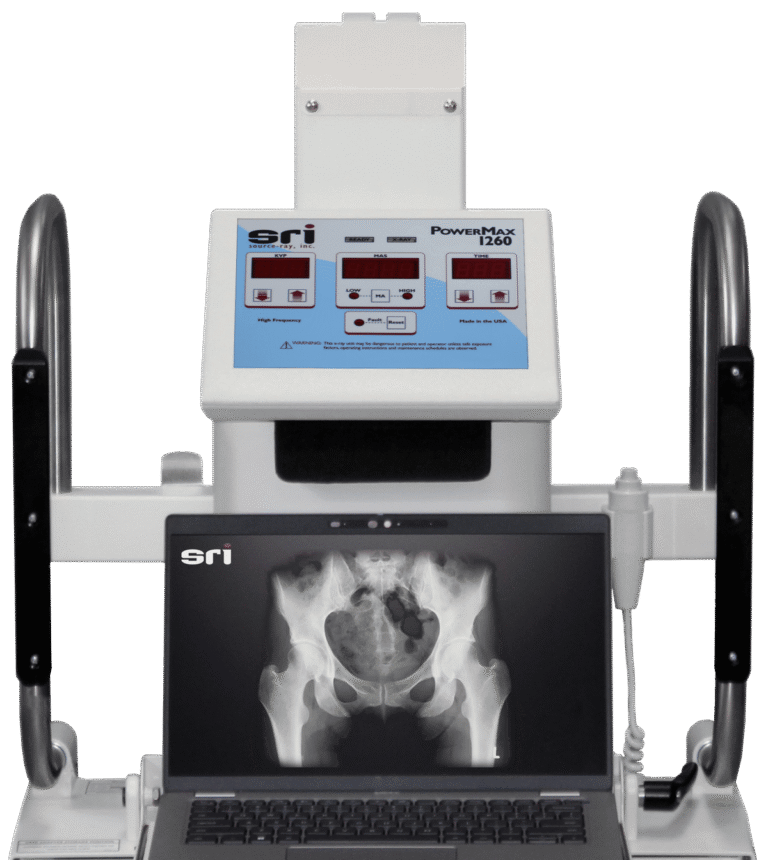
- Mobile X-ray units are larger, cart-based or trolley-mounted systems that live inside a facility and are wheeled from room to room. They trade some of the portable unit’s agility for significantly higher generator output, larger detectors, and support for higher patient throughput.
This distinction matters because it’s the primary driver of the price gap between the two categories — not brand, not marketing tier, but the underlying hardware class.
Portable X-Ray Pricing by Tier
Portable systems span an unusually wide price range because the category includes everything from small handheld devices to hospital-grade bedside units.
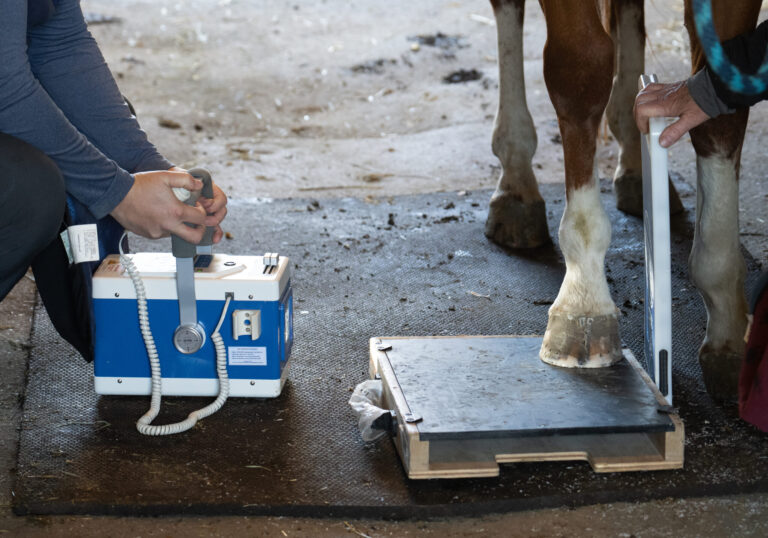
Handheld / basic portable units: Entry-level handheld portable X-ray devices, most common in veterinary, dental, and very low-volume clinical settings, typically range from $2,500 to $8,000, with some basic units priced as low as a few hundred dollars for the most minimal configurations.
Compact portable units with DR detectors: Once a digital detector and improved wireless features are added, pricing moves into the $8,000 to $20,000 range, which is a common tier for small clinics wanting to move away from film.
Cart-mounted portable units for general medical use: For general human medical use (as opposed to veterinary or dental), entry-level portable systems with a DR panel commonly run between $29,000 and $40,000, while basic analog or digital-compatible entry units can range from about $17,000 to $35,000. Intermediate portable systems, offering better build quality and higher daily patient throughput, typically fall in the $45,000 to $65,000 range.
High-volume, cart-mounted portable systems (10kW+): For clinics or facilities needing higher-speed imaging and larger wireless detectors, pricing typically runs from $20,000 to $50,000, and the most advanced trauma-center-grade portable units can exceed $50,000.
Refurbished portable systems: Because portable units see heavy secondary-market activity, refurbished pricing is its own tier. Refurbished portable X-ray systems generally range from about $40,000 for entry-level units to around $100,000 for high-end models, with mid-range systems typically landing between $60,000 and $75,000. Refurbished equipment commonly costs 20-40% less than new equivalents, though it’s worth weighing that discount against warranty coverage and remaining service life.
Mobile X-Ray Pricing by Tier
Mobile units, being larger and more powerful, occupy a narrower but consistently higher price band.
Entry-level mobile systems: Basic analog mobile units for human use typically cost $17,000 to $30,000, while fully digital entry mobile units start at around $35,000.
Premium/hospital-grade mobile DR systems: Fully digital, hospital-grade mobile X-ray systems — the workhorse units found in most hospital radiology departments — generally range between $75,000 and $100,000 on average, with top-tier models exceeding $200,000. This aligns with broader X-ray equipment data showing premium units in the $80,000 to $95,000 range for hospital-grade, fully integrated systems with 15-40 kW generators.
Analog-to-digital retrofits: For facilities with existing analog mobile units, retrofitting with a digital detector is a lower-cost alternative to a full replacement, typically costing $20,000 to $60,000 depending on panel size and integration requirements.
Side-by-Side Snapshot
| Category | Typical Price Range |
|---|---|
| Handheld/basic portable | $2,500 – $20,000 |
| Cart-mounted portable (general medical) | $17,000 – $65,000 |
| High-volume/premium portable | $50,000 – $100,000+ |
| Entry-level mobile (analog/basic digital) | $17,000 – $40,000 |
| Premium hospital-grade mobile DR | $75,000 – $200,000+ |
| Refurbished portable (any tier) | $40,000 – $100,000 |
What Actually Drives the Price Difference
A handful of technical factors explain most of the spread within and between these categories:
- Generator power (kW): Entry-level portable units run on 1.5-2 kW generators, while premium systems — mobile or portable — scale up to 15-40 kW generators needed for denser anatomy and faster exposure times.
- Detector type: Digital Radiography (DR) panels cost more upfront than analog or CR systems but eliminate film, chemicals, and processing time, which affects long-term cost of ownership as much as the purchase price does.
- New vs. refurbished: Refurbished equipment offers meaningful savings and faster availability than new systems, which often require longer manufacturing and delivery lead times — but buyers should weigh that against remaining useful life and warranty terms.
- Service and support commitments: Reliable service coverage is a genuine cost driver, since downtime from unreliable service can cost more over time than a slightly higher upfront price.
Renting or Financing as an Alternative
For facilities not ready to commit to a full purchase, rental and financing data offer a useful reference point. Based on aggregated marketplace quotes, portable X-ray machines rent for around $150/week or roughly $2,121/month on average, and finance for about $934/month on a 60-month lease, with an average purchase price near $48,727. These figures skew toward the general-medical portable tier and are a helpful sanity check against the ranges above, though actual quotes will vary by model, condition, and package.
Choosing Between the Two
Neither category is inherently the “better” choice — the right pick depends on patient volume, setting, and imaging needs:
- If imaging needs to happen at the bedside, in the field, or in a space that can’t accommodate a large cart, a portable unit offers the mobility advantage at a generally lower price point.
- If the facility handles higher patient volumes, needs faster throughput, or requires advanced imaging modes like fluoroscopy, a mobile unit’s higher price is offset by higher generator output and workflow capacity.
Whichever category fits, it’s worth requesting multiple quotes across brands and comparing not just sticker price but generator power, detector specifications, warranty terms, and service availability — since those factors, more than the brand name on the unit, determine both the purchase price and the long-term cost of ownership.
Pricing referenced in this guide reflects publicly available 2026 market data and is intended as a general reference. Actual quotes will vary by manufacturer, model configuration, region, and current market conditions — always request a current, itemized quote before budgeting for a purchase.